Platform engineering
Nexus Platform
A production-style AWS platform built entirely as code: three environments, GitOps delivery, signed images, full observability, and admin access without an open port. Any environment can be destroyed and rebuilt from Git.
Architecture
Three repositories, three layers
What it is
Nexus is a small application, a Go API and a Java worker connected by an SQS queue, running on a platform that is built the way a production team would build it. The application is deliberately simple; the platform around it is the project.
How it fits together
- Terraform and Terragrunt build the network, EKS, PostgreSQL, Valkey, SQS, and CloudFront from one set of units shared by every environment. Personal values live in a single ignored file, so anyone can deploy the project into their own account.
- Argo CD receives the cluster facts from Terraform and installs 37 applications in four sync waves, from the service mesh to the application itself.
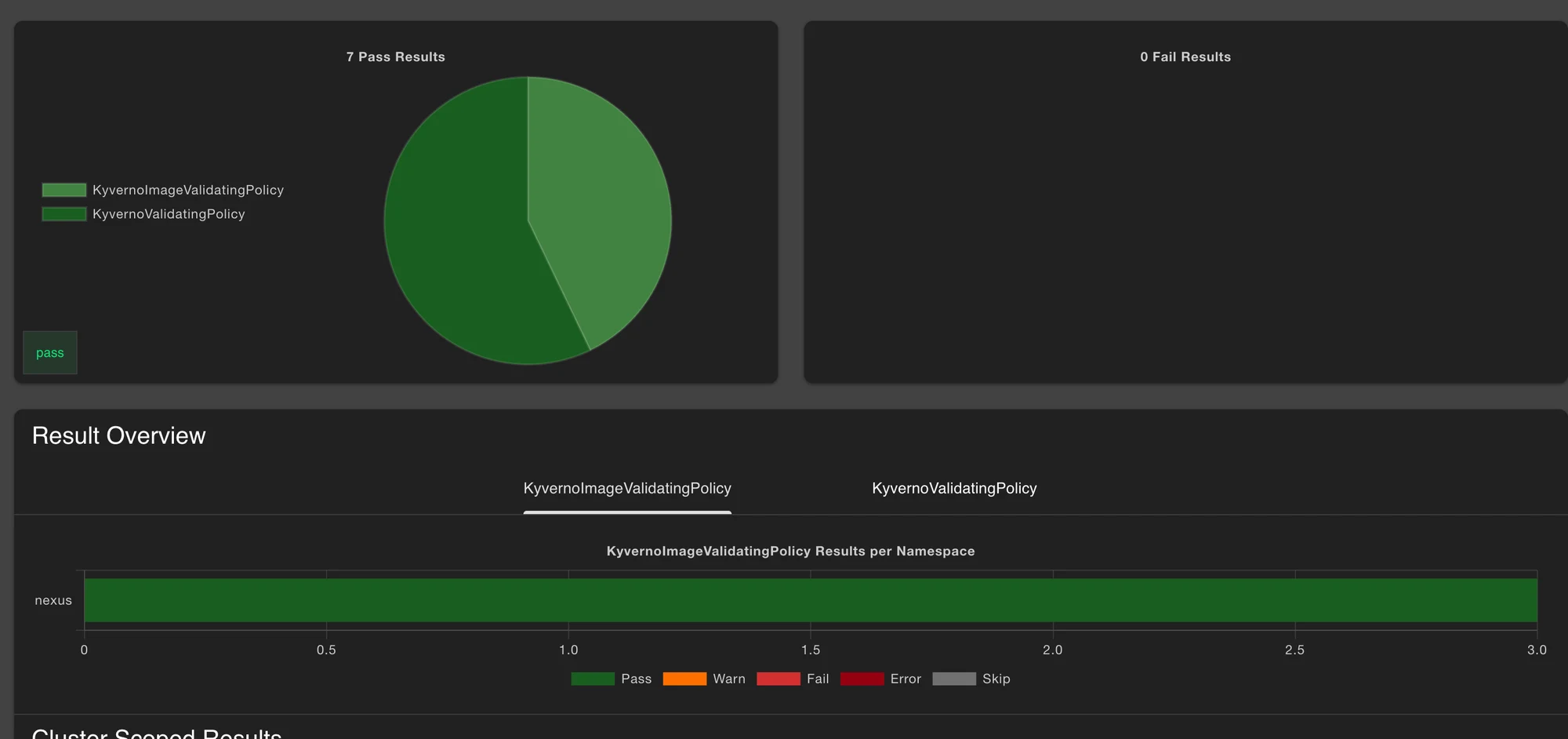
- GitHub Actions tests, scans, and signs every image with cosign. Kyverno admits only images signed by that pipeline, and Argo Rollouts releases each version as a canary that Prometheus measures.
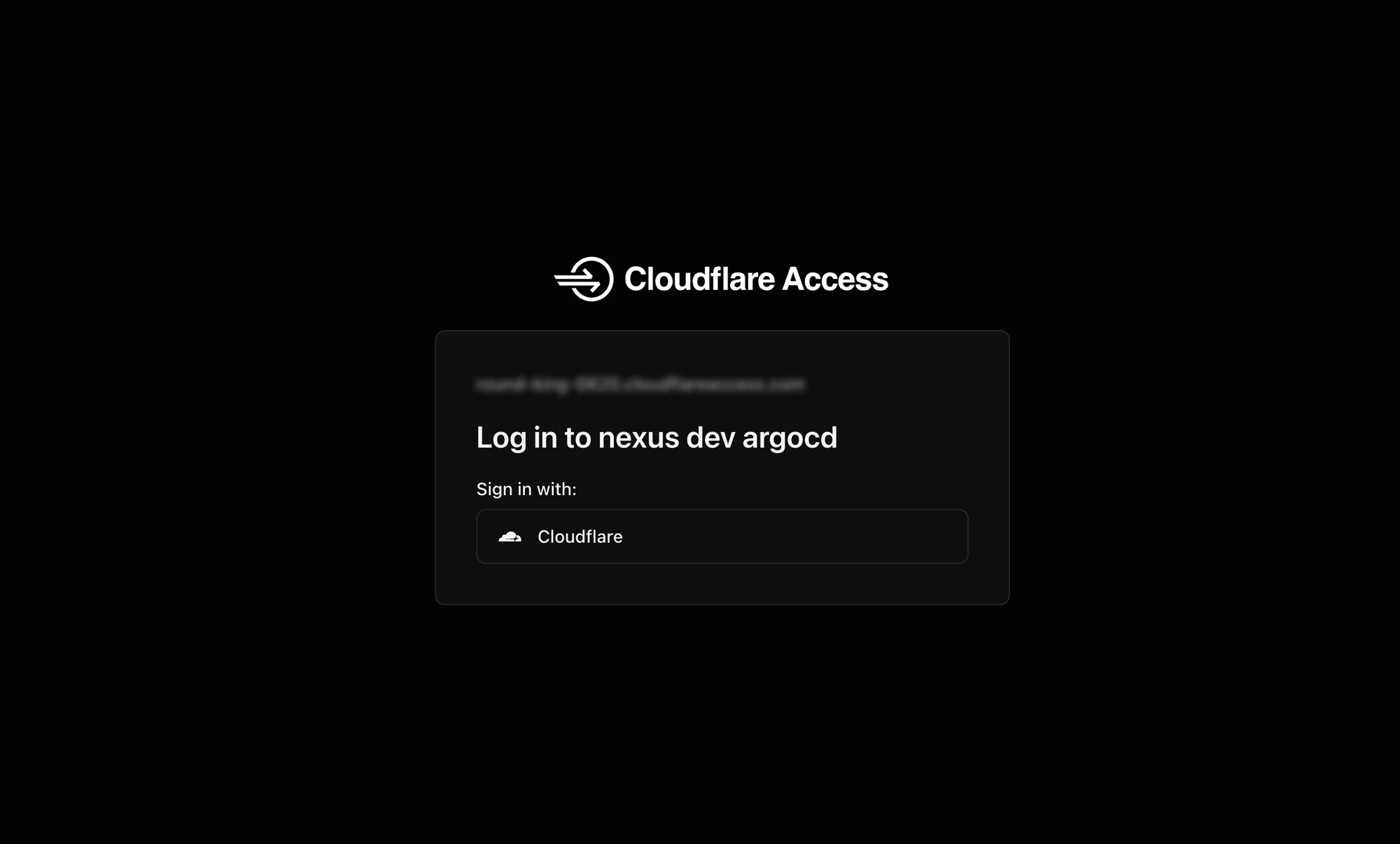
- Visitors reach the site through CloudFront and WAF, which connect privately to an internal load balancer. Administrators reach Argo CD, Grafana, and the other tools through Cloudflare Access and a tunnel that only dials out.
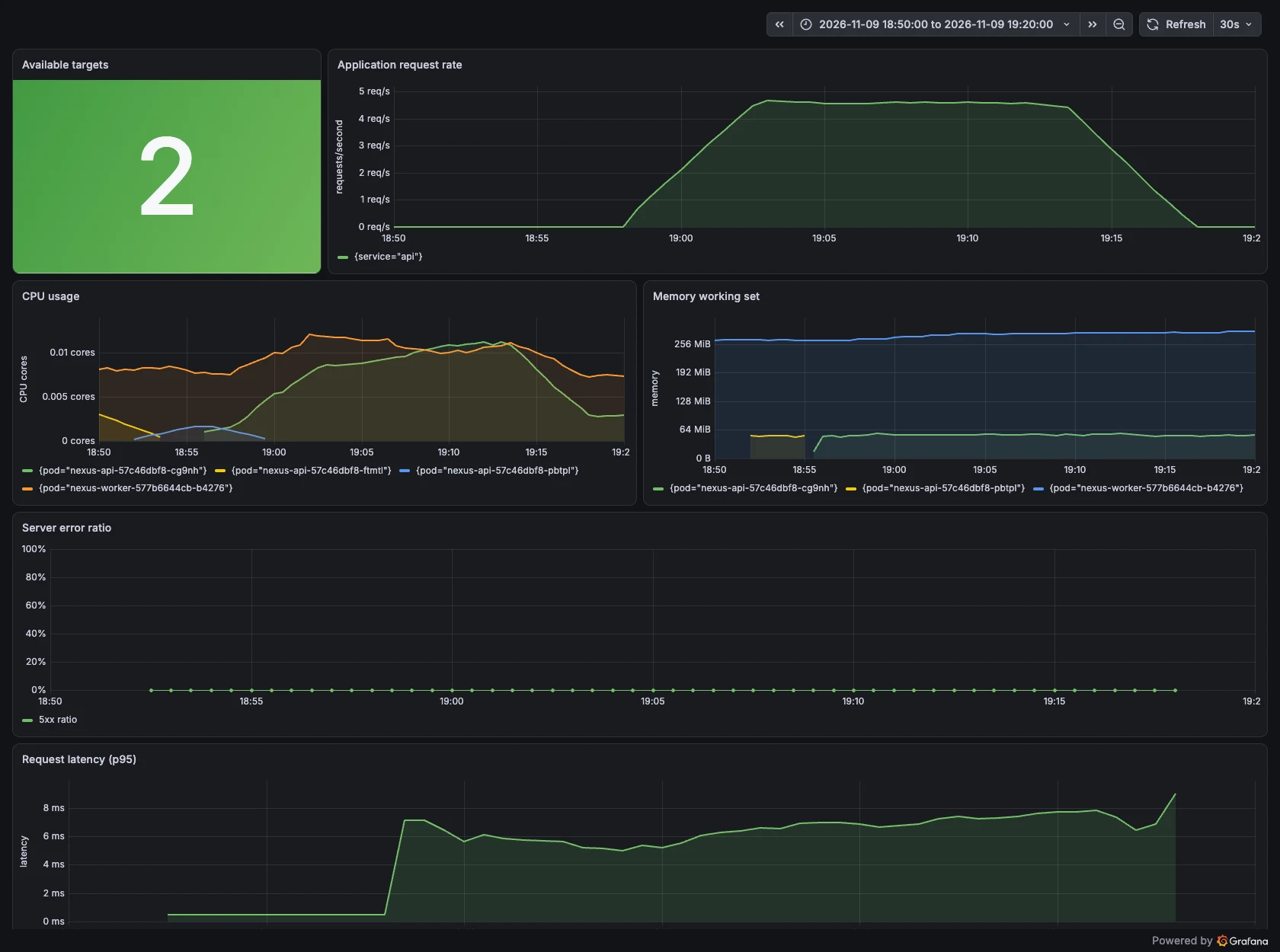
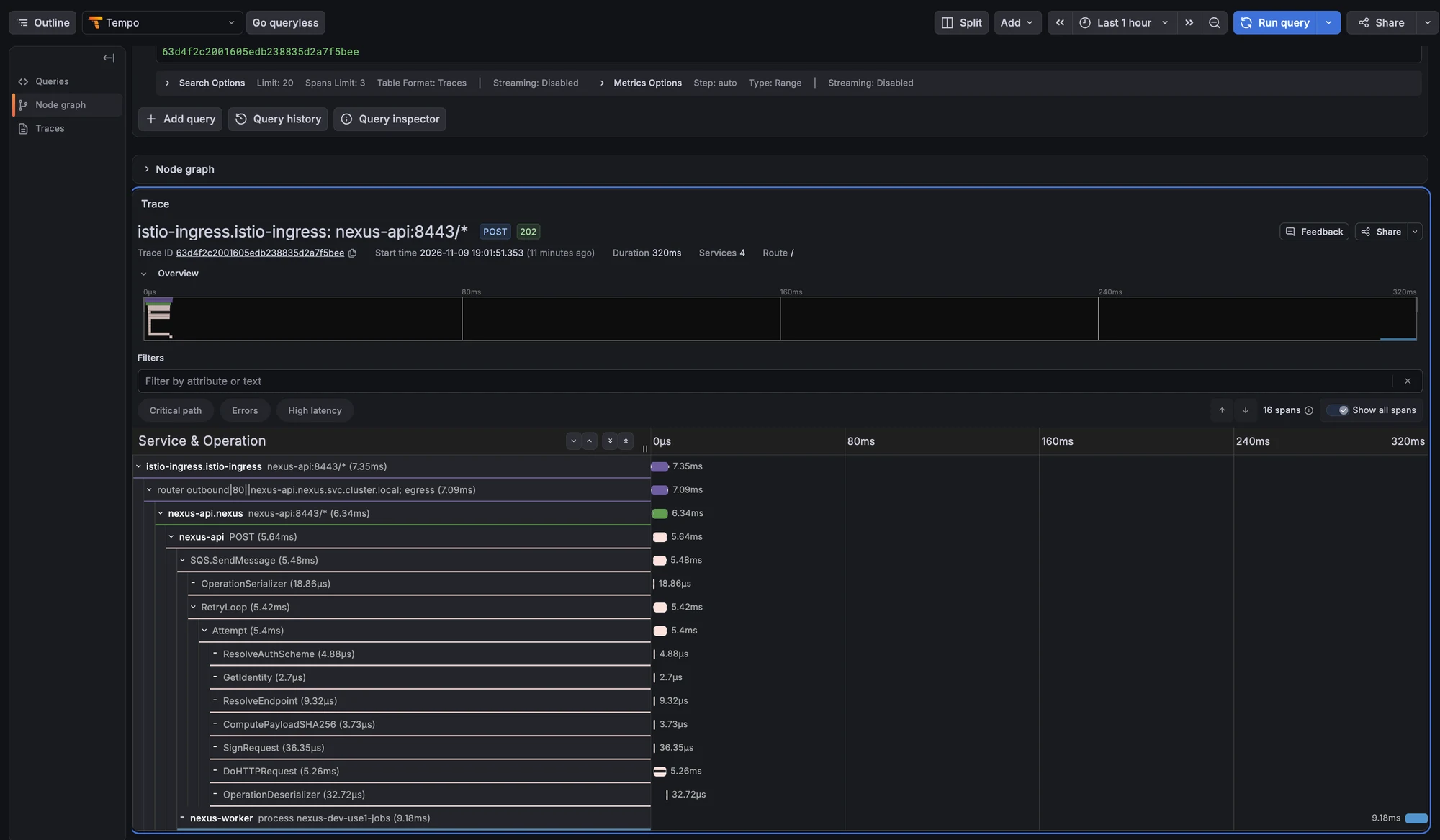
- Prometheus, Loki, Tempo, and Pyroscope collect metrics, logs, traces, and profiles; Sloth turns the service-level objective into burn-rate alerts.
How I work on it
Every significant choice is written down as an architecture decision record, including the alternatives I rejected. Problems found along the way are fixed in code, documented as incidents, and, where possible, covered by an alert so they cannot return silently.
Proof
See it running
Captured on 9 November 2026 from a DEV environment rebuilt from Git for the purpose and destroyed the same evening. Account IDs and personal addresses are blurred. Select a screenshot to open it at full size.
Delivery
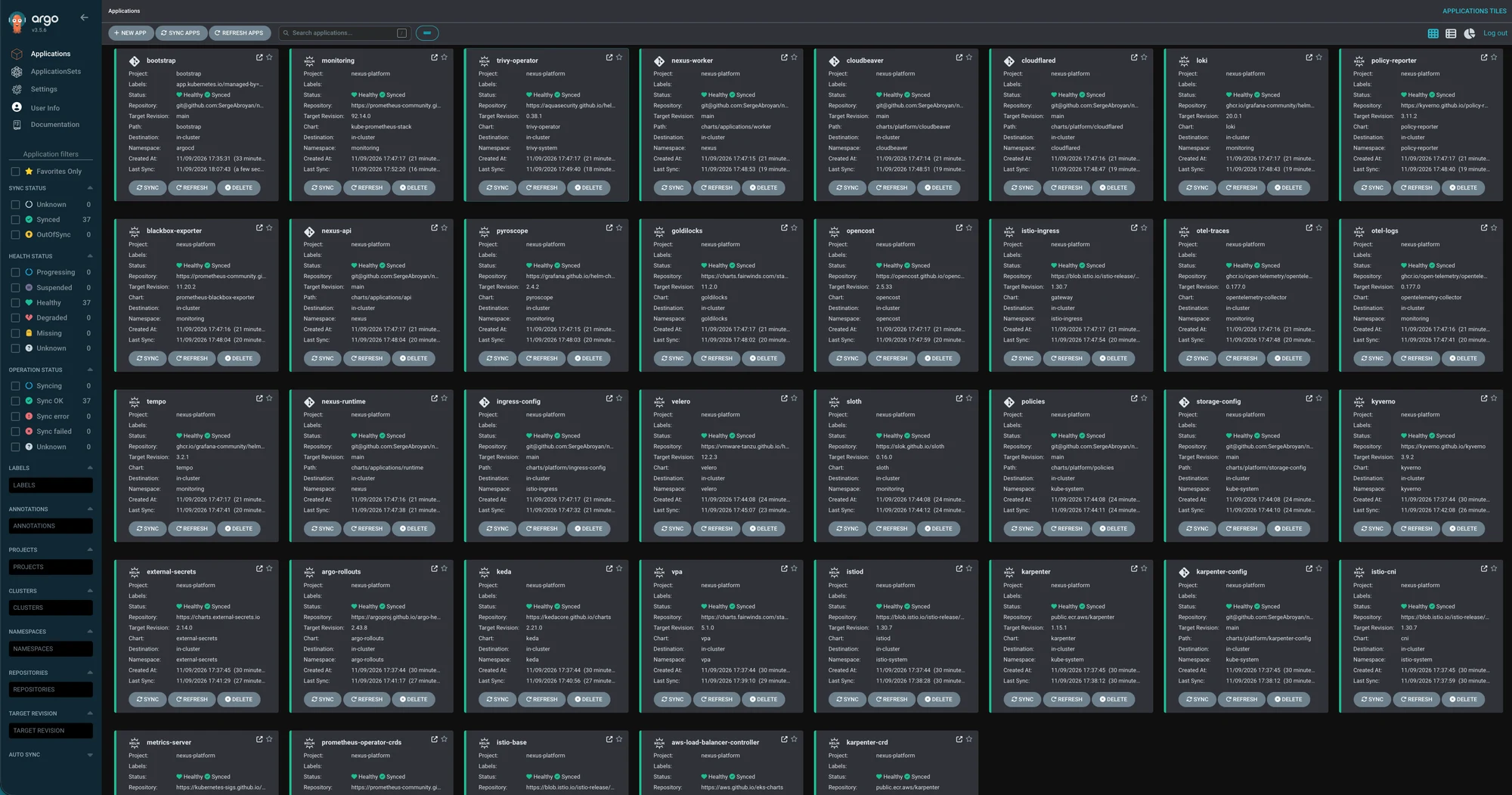 (opens full size in a new tab)
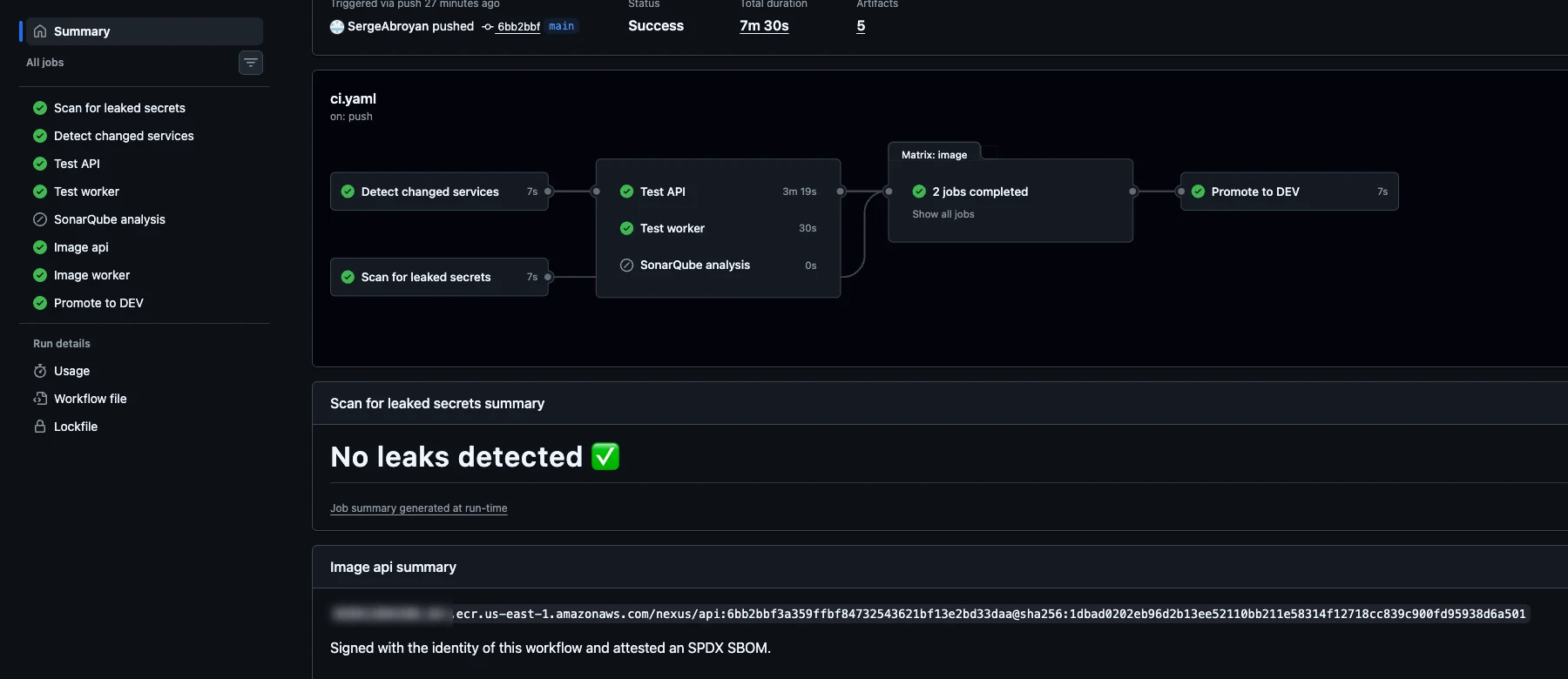 (opens full size in a new tab)
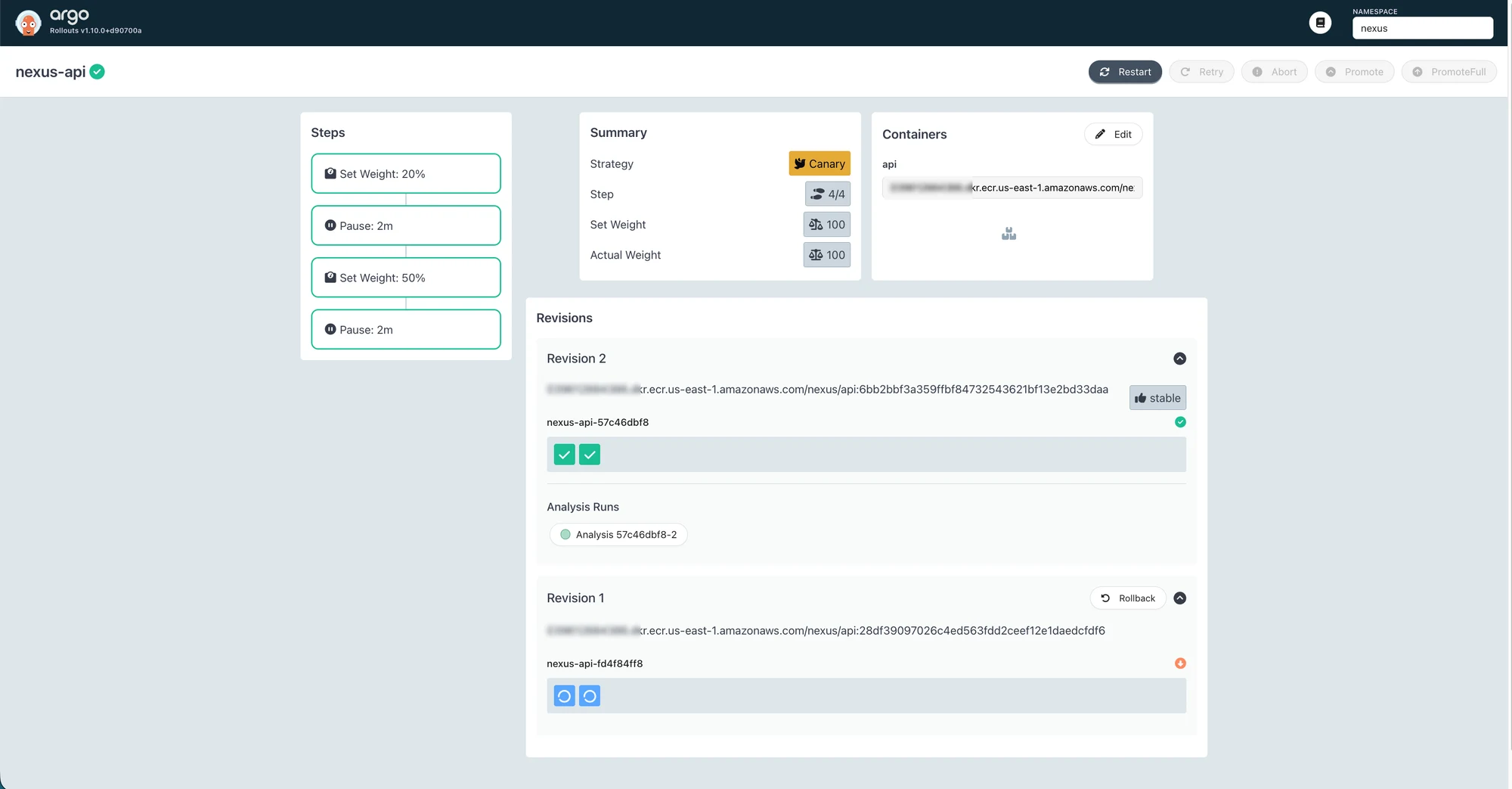 (opens full size in a new tab)
Security
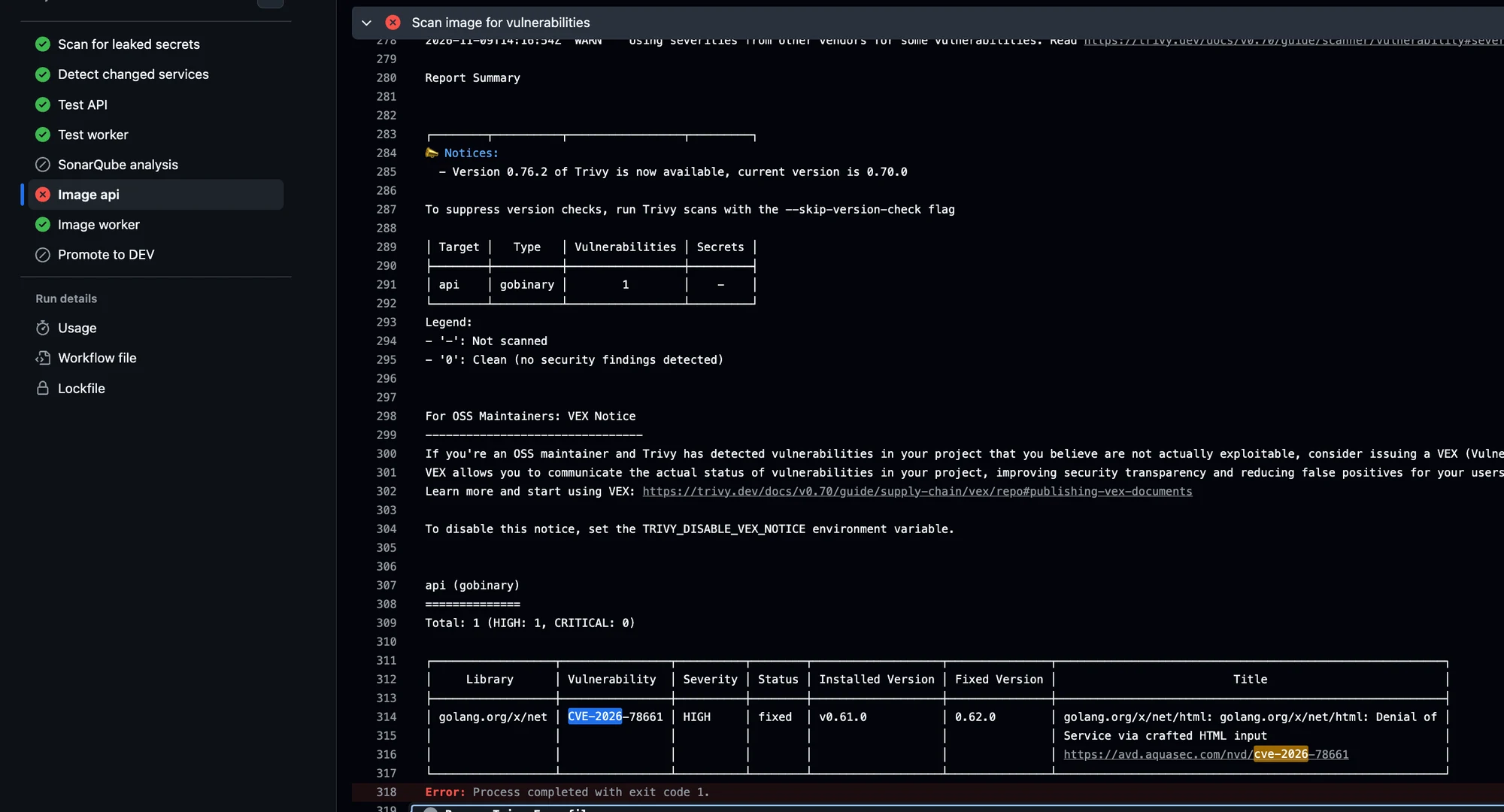 (opens full size in a new tab)
 (opens full size in a new tab)
 (opens full size in a new tab)
Observability
 (opens full size in a new tab)
 (opens full size in a new tab)
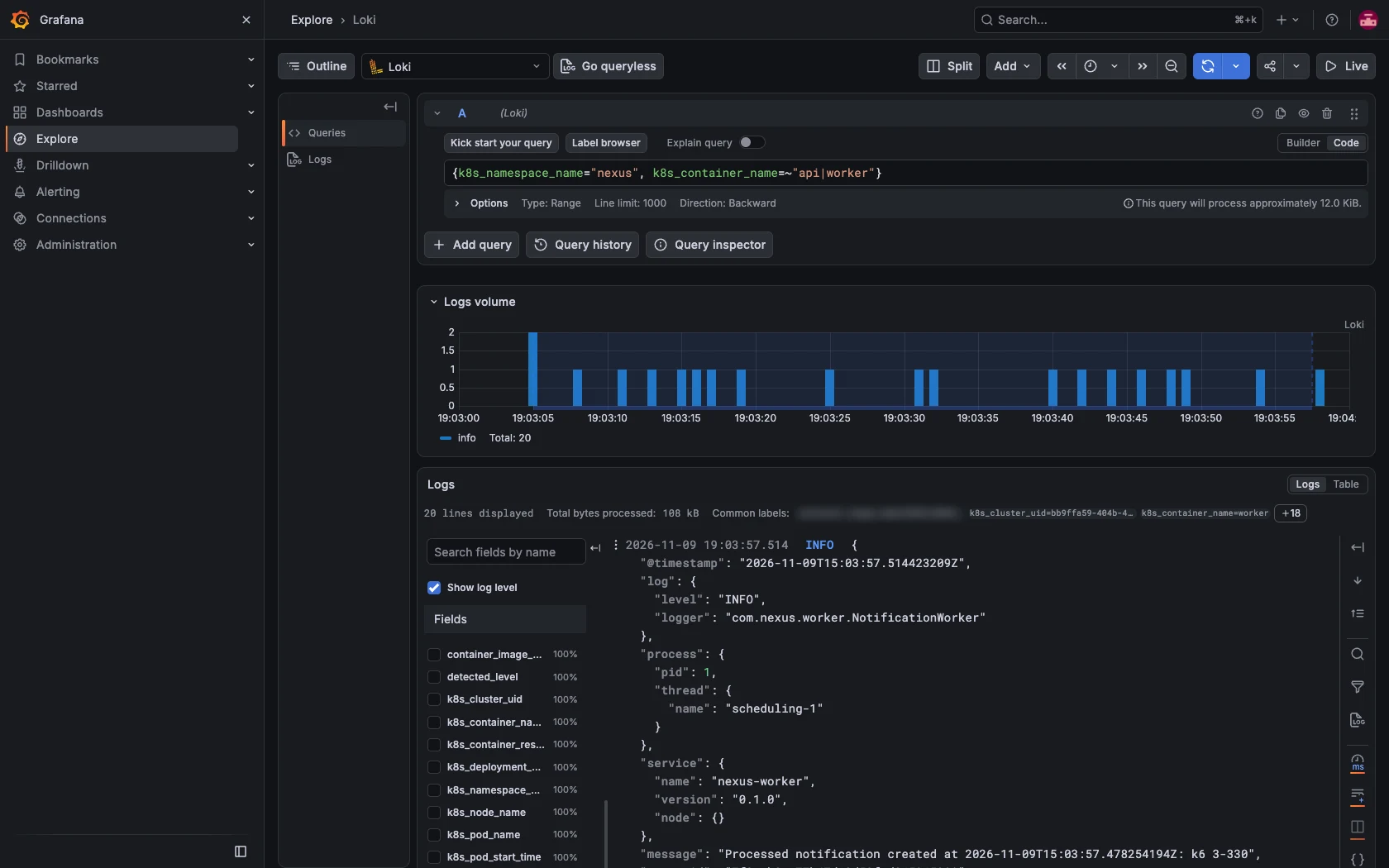 (opens full size in a new tab)
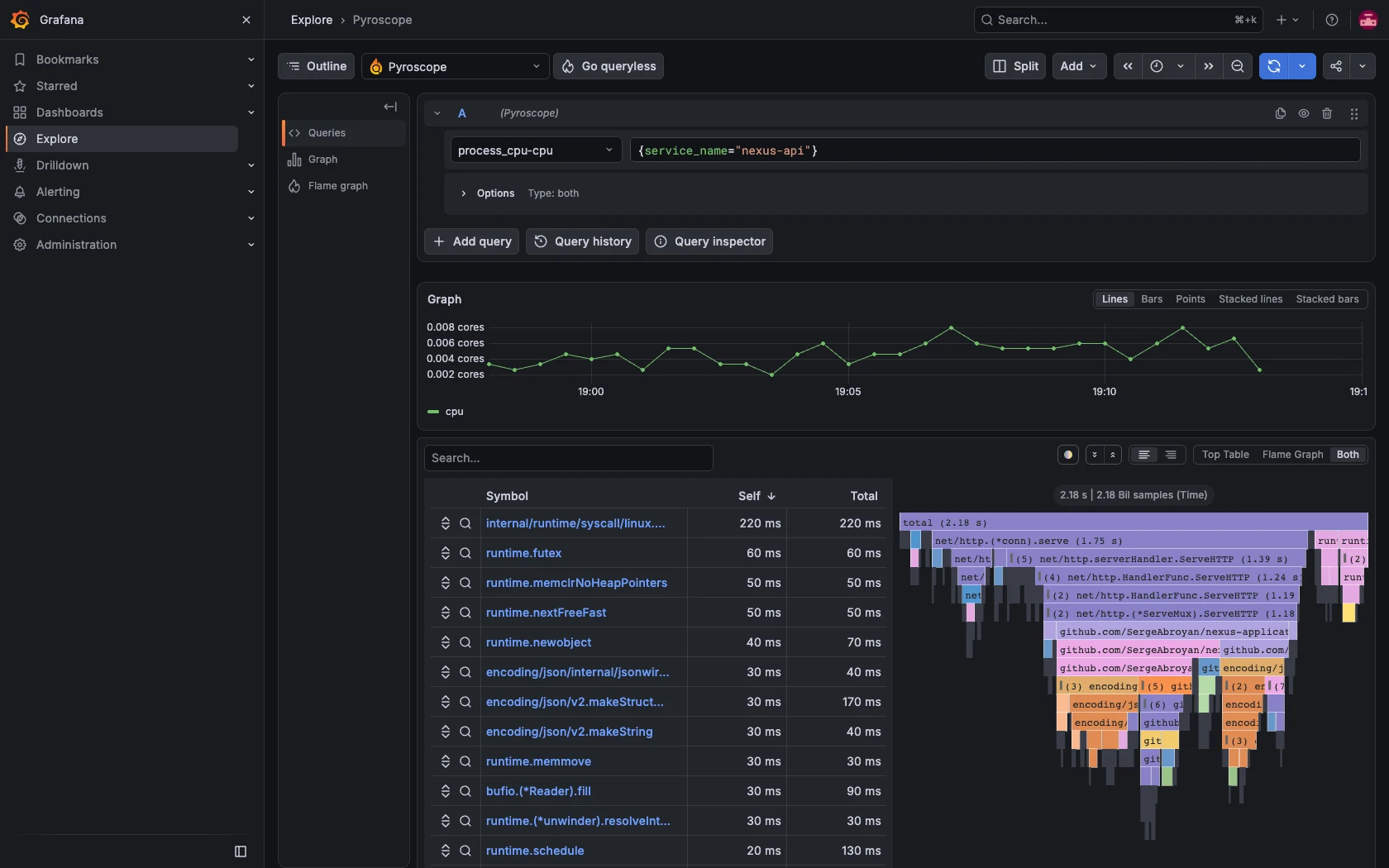 (opens full size in a new tab)
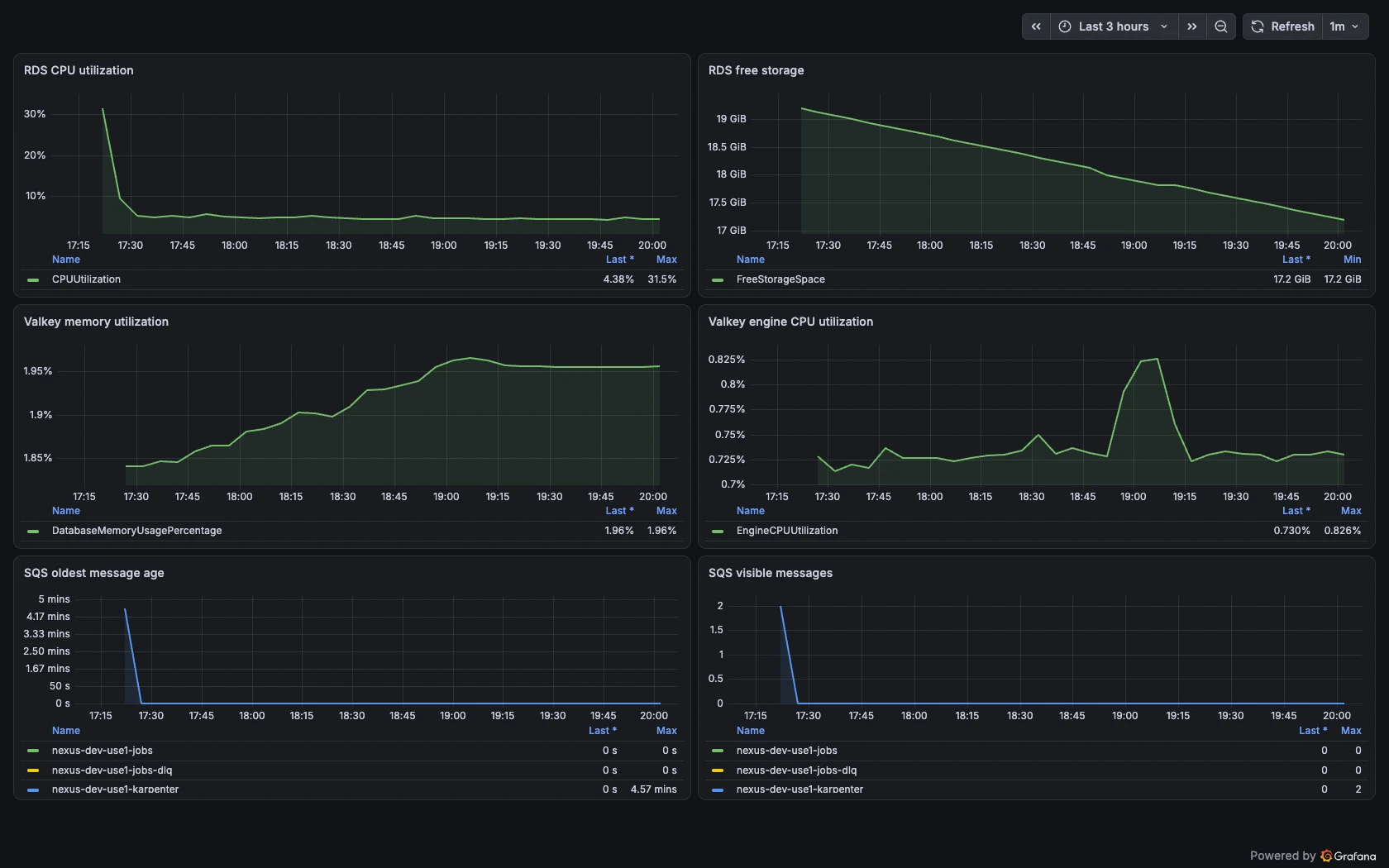 (opens full size in a new tab)
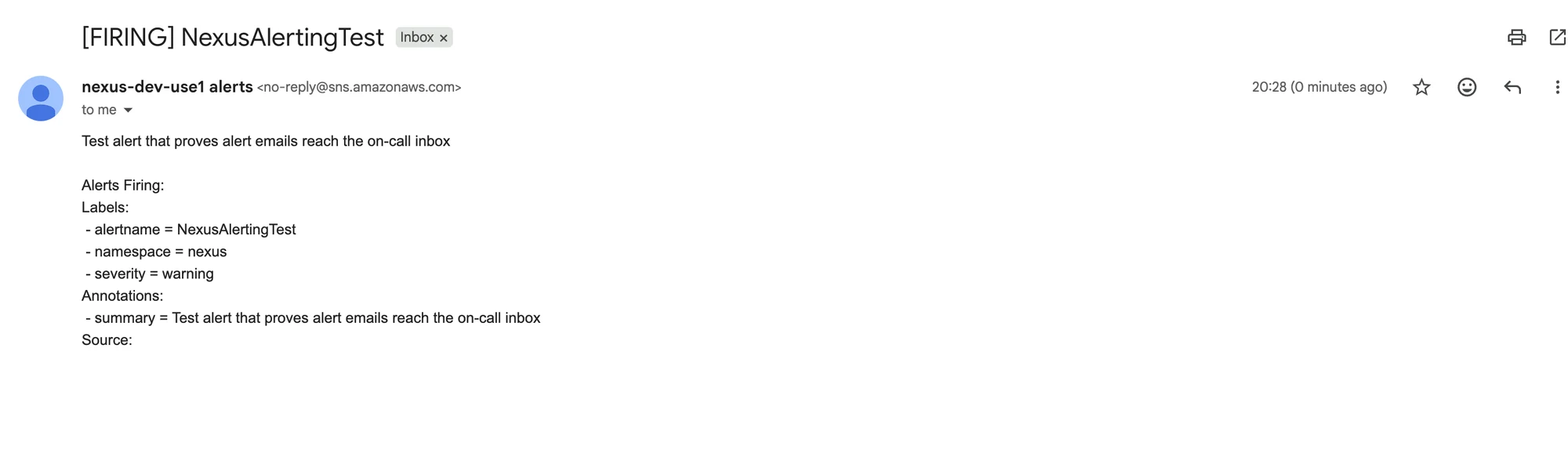 (opens full size in a new tab)
Cost
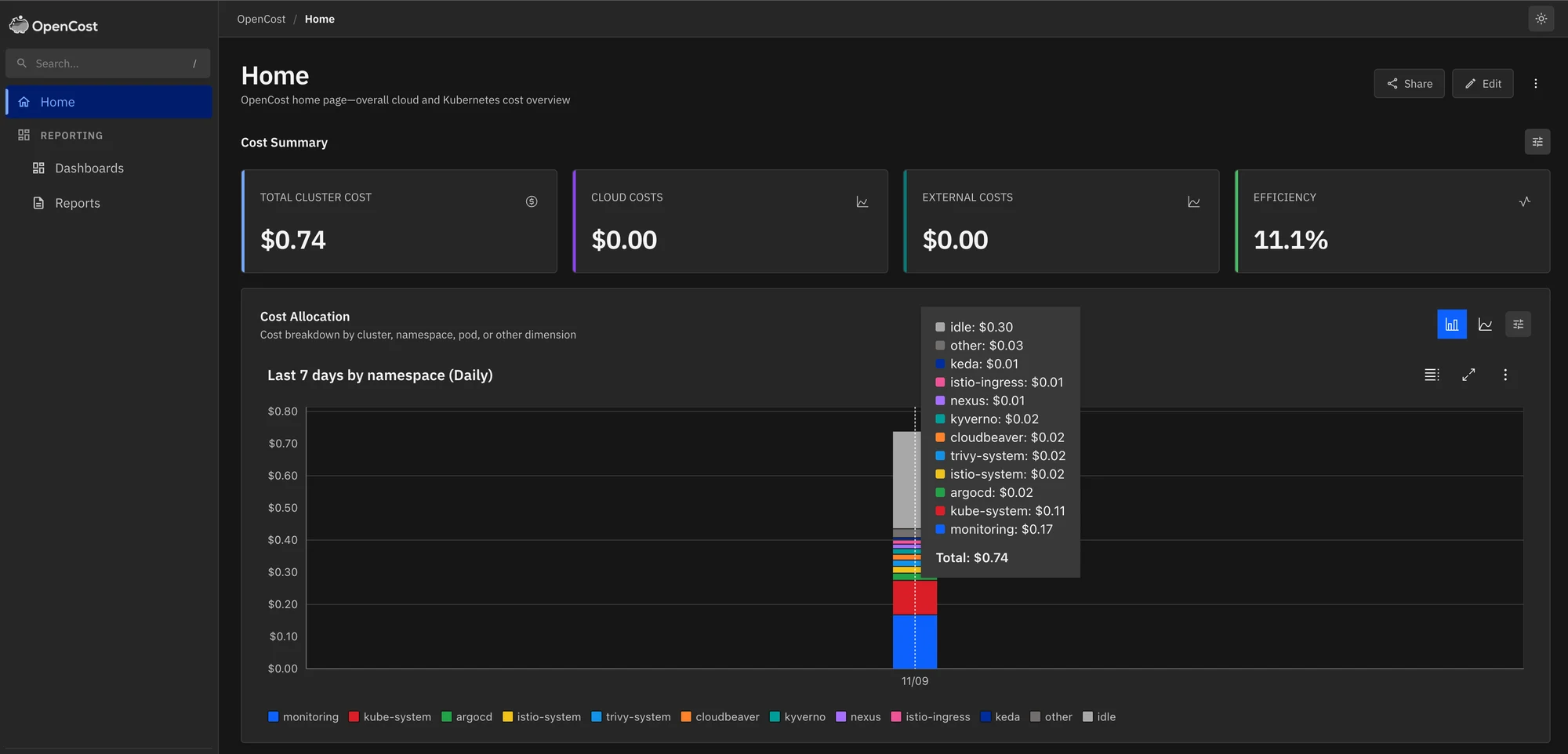 (opens full size in a new tab)
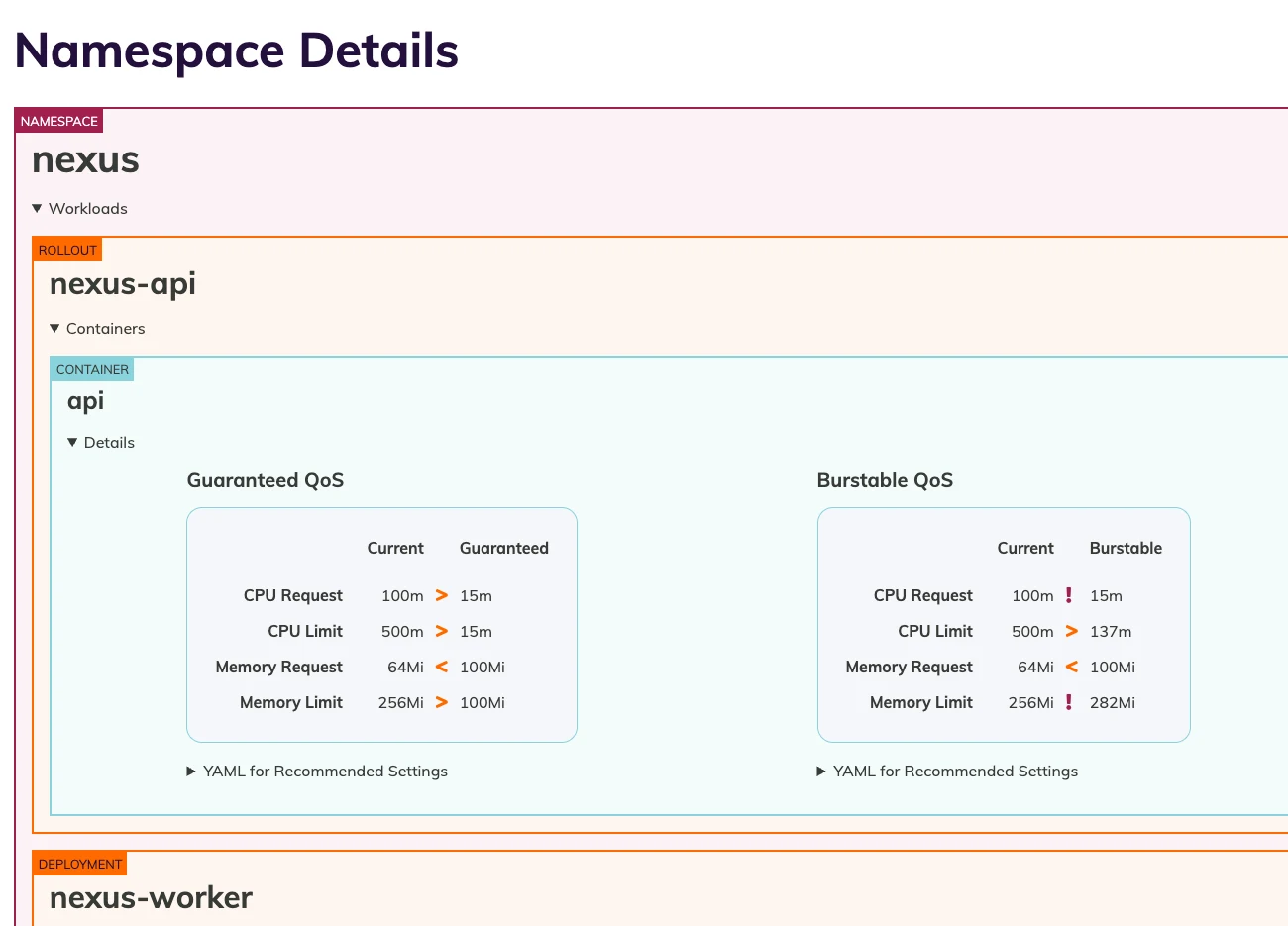 (opens full size in a new tab)
From the terminal
Checked on the live cluster
Real commands and their output from the same session, with the registry address removed.
Stack
What it is built with
Infrastructure
- AWS
- Terraform
- Terragrunt
- Cloudflare
Kubernetes
- EKS
- Karpenter
- KEDA
- Istio
- Helm
Delivery
- GitHub Actions
- Argo CD
- Argo Rollouts
- release-please
- Renovate
Security
- Kyverno
- cosign
- Trivy
- External Secrets
- Cloudflare Access
Observability
- Prometheus
- Grafana
- Loki
- Tempo
- OpenTelemetry
- Pyroscope
- Sloth
Source